Can Medicaid Take My House in Pennsylvania?
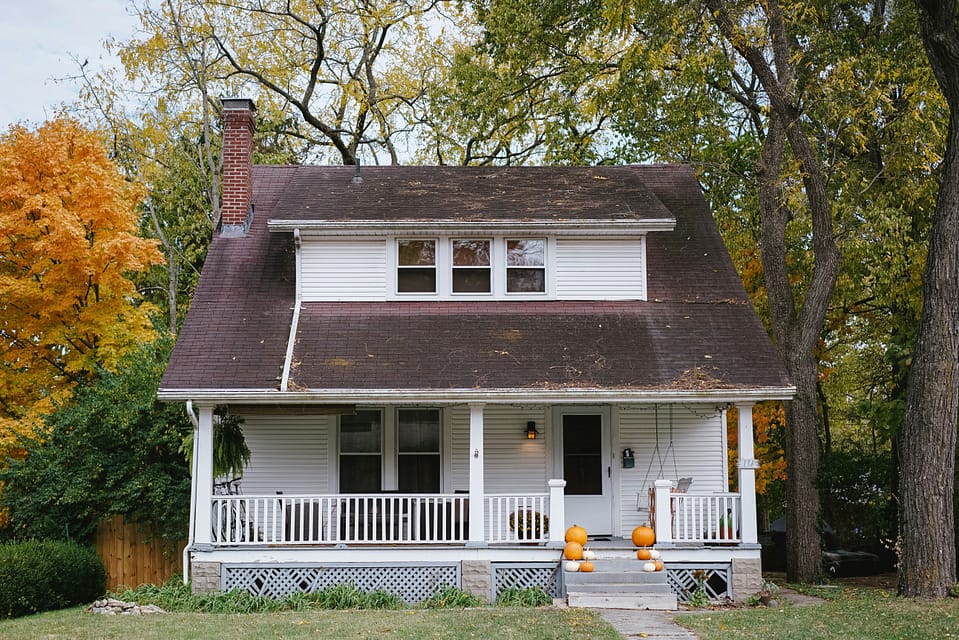
I heard this question at a real estate seminar and was amazed to hear the speaker talk about it with the audience. I had to go digging. As a cash home buyer in Pennsylvania, we buy homes quickly and conveniently. I was surprised to learn that Medicaid could play a role in this business.
For many Pennsylvania homeowners, Medicaid is the support system that helps cover the high costs of long-term nursing care. However, many families are surprised to learn that Medicaid may seek reimbursement from the deceased’s estate.
This process has a name: Medicaid Estate Recovery. So, turns out the question “Can Medicaid take my House in Pennsylvania?” isn’t that uncommon. As such, we will talk about:
- How Medicaid estate recovery works in PA.
- Why selling your PA home as-is may be a smart option.
Medicaid Recovery in Pennsylvania

It took me days of research to fully absorb this concept and condense it for you guys. Medicaid is a joint federal and state program that helps eligible individuals pay for healthcare. Since long-term care costs can easily pile up, this program covers a substantial portion of those expenses for qualifying seniors.
Under federal law, states are required to seek reimbursement for certain Medicaid benefits paid on behalf of recipients who were age 55 or older. Pennsylvania accomplishes this through its Estate Recovery Program.
Alex, how does this work?
Well, after a Medicaid recipient passes away, the State may file a claim against assets remaining in the person’s estate. If the Pennsylvania home is part of the estate, it could potentially be sold to satisfy Medicaid’s claim.
This possibility causes concerns for homeowners hoping to leave their property to their heirs.
Selling To A Cash Buyer
From a cash home buyer’s perspective, homeowners facing Medicaid-related concerns often benefit from a faster and simpler selling process. I can vouch for this in 10 out of 10 situations.
Quick Access To Funds
One of the primary benefits is speed. Traditional home sales in Pennsylvania can take months. Between staging and closing delays, the transaction faces unpredictability. Cash buyers in Pennsylvania streamline this process because they eliminate the hurdles associated with conventional financing.
For families facing Medicaid Estate Recovery on their PA home, a quick sale to a cash buyer can resolve financial obligations.
No Repairs Required
Perhaps the biggest advantage is the ability to sell the property as-is. Cash buyers typically purchase properties in their current condition. This is valuable when Medicaid claims in Pennsylvania are creating financial burdens.
Avoid Realtor Commissions
Cash home sales eliminate the need for commissions and reduce the overall transaction expenses. For estates attempting to preserve as much value as possible, avoiding these costs is an additional benefit.
Reduced Stress
Families dealing with long-term care issues and nursing home placement, or death, often feel overwhelmed. Selling the home to a cash buyer in PA helps families simplify this process.
Estate Recovery – A Problem?
Some homeowners in Pennsylvania choose to sell their property before estate recovery becomes an issue. Jon explains that “selling to a cash buyer can convert home equity into liquid assets.” This could be used for:
- Medical expenses
- Long-term costs
- Relocation needs
- Debt repayment
However, Medicaid eligibility rules are complex mazes. Selling your PA home can affect Medicaid qualifications. Before making financial decisions, Pennsylvania homeowners should consult financial advisors or Medicaid planning professionals.
What Do Cash Buyers Look For?

We buy homes for cash facing complicated circumstances, including:
- Inherited properties
- Probate homes
- Properties with mortgage forbearance
- Vacant homes
- Homes owned by seniors transitioning into long-term care
Flexibility and certainty often make this option attractive for families seeking a straightforward sale.
Frequently Asked Questions
Since I came across this topic, I have found a few FAQs and listed them here for everyone
Q: Can Medicaid force you to sell your home when you’re alive?
A: A primary residence (such as your PA home) is considered an exempt asset for Medicaid eligibility purposes, provided certain conditions are met. Medicaid usually cannot force the sale of your primary residence while you are living if:
- You intend to return home.
- Your spouse continues to live on the property.
- A dependent child resides in the home.
You should note that while the home is protected during your lifetime, it will not last forever. Estate recovery may still occur after death if the property remains part of the estate.
Q: When is a Pennsylvania home at risk after death?
A: The greatest risk arises when:
- The Medicaid recipient owned the home individually.
- The property passes through probate/
- No surviving spouse or protected family member remains in the home.
Final Thoughts
While Medicaid cannot generally force the sale of an exempt primary Pennsylvania residence during your lifetime, the Estate Recovery Program may seek reimbursement from your estate after your death.
Every Medicaid situation is different, and the rules are complex. Consulting with legal professionals is essential.
DISCLAIMER: This article is for informational purposes only and should not be considered legal or Medicaid planning advice. Always consult a Medicaid professional or elder law attorney for your specific needs.