
How To File A Quitclaim Deed in Philadelphia

A Quitclaim Deed. What is that?
Transferring real estate ownership doesn’t always require a traditional sale. In addition to selling to cash home buyers, a quitclaim deed offers a simple way to transfer property rights between individuals. A quitclaim deed in Philadelphia can assist when:
- Transferring a home to a family member.
- Removing a former spouse from a title after divorce.
- Preparing to sell to a cash home buyer.
What is a Quitclaim Deed
Let me explain it through a hypothetical example. The document used to transfer my ownership interest in a property to Jon is a quitclaim deed. In this scenario, the person transferring the property (Alex) is the grantor, while the recipient (Jon) is the grantee.
Quitclaim deeds do not come with warranties and are generally used between known and trusted parties such as:
- Family members
- Former spouses
- Parents transferring property to children
- Co-owners adjusting ownership interests
Quitclaim deeds in Philadelphia are not recommended for traditional transactions where buyers need assurances.
Cash Home Buyer – Quitclaim Deed Scenario
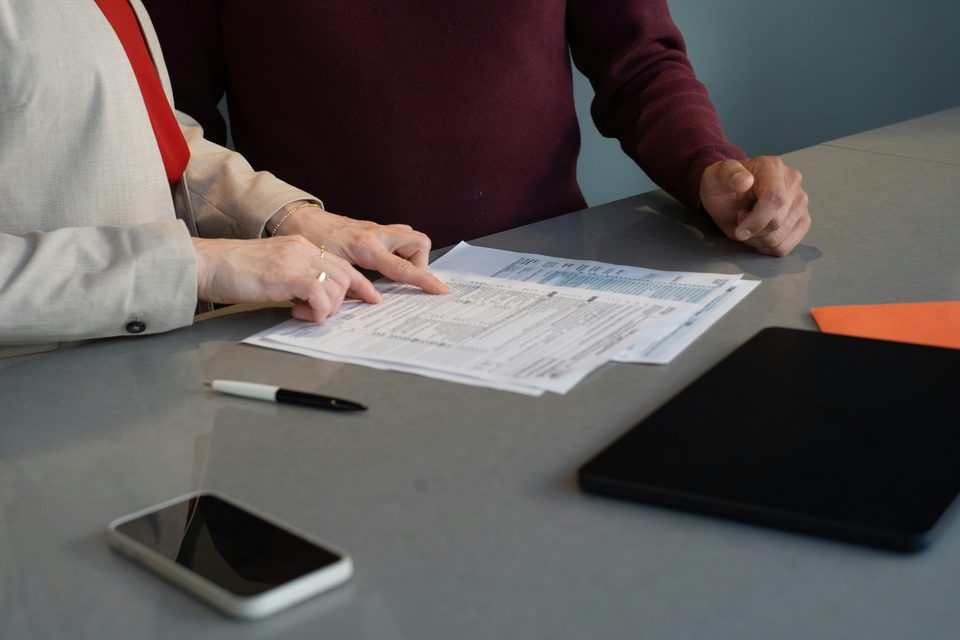
As a cash home buyer in Philadelphia, we frequently come across quitclaim deeds during title reviews. This is most common with inherited properties, distressed properties, and family transfers.
Many sellers contact cash buyers after discovering ownership complications involving:
- Multiple heirs
- Divorce issues
- Vacant or inherited homes
I must emphasize that “while a quitclaim deed can help resolve some ownership issues, it is not a substitute for a clean title.” Philadelphia cash buyers conduct title searches before closing to verify ownership and identify any outstanding liens or claims. If a property was transferred historically using a quitclaim deed but never recorded, additional legal work may be required before the sale.
The good news is that experienced cash buyers in Philly often work in partnership with title companies and real estate attorneys to resolve these challenges. In many cases, ownership issues can be corrected before closing, helping sellers avoid lengthy delays associated with traditional financing.
For Philadelphia homeowners facing probate complications, inherited property disputes, or title issues, selling to a reputable cash home buyer may provide a faster and straightforward solution.
Common Reasons to File a Quitclaim Deed in Philadelphia
Over the years, we have come across several scenarios in which Philadelphia homeowners use quitclaim deeds.
- After a divorce, one spouse may transfer their ownership interest to the other through a quitclaim deed to simplify the divorce settlement.
- Homeowners in Philadelphia often use quitclaim deeds to transfer property as part of their estate planning.
- Parents may transfer ownership to children or restructure ownership without conducting a formal sale.
- A quitclaim deed is useful in resolving minor title issues.
- Philadelphia homeowners also use quitclaim deeds when working with a cash home buyer for a clean title before closing.
Process to File a Quitclaim Deed
Let’s talk about the steps of a quitclaim deed in PA.
Obtain the Correct Quitclaim Deed Form
The first step is obtaining a Pennsylvania-compliant quitclaim deed form that must contain specific legal information such as:
- Grantor’s name and address
- Grantee’s name and address
- Property address
- Legal property description
- Tax parcel number
- Signature lines
Accuracy is critical because even a small error may cause the Philadelphia Department of Records to reject the filing.
Complete the Deed
When filling out the quitclaim deed, include all required information exactly as it appears in the public records. Important details include:
- Property identification
- Grantor information
- Consideration
Notarization
PA law requires deeds to be signed before a notary public. All grantors must:
- Sign the deed
- Present identification
- Complete the notarization
Prepare the Transfer Tax Documents
After working with quitclaim deeds, we realized that one of the most misunderstood parts of filing a quitclaim deed in Philadelphia involves transfer taxes. PA imposes a state’s realty transfer tax, and Philly also imposes a local transfer tax. However, certain transfers may qualify for exemptions, including:
- Transfers between spouses
- Certain family transfers
- Divorce-related transfers
To claim an exemption, parties are required to submit supporting documentation and complete transfer tax forms.
File the Deed
Once the quitclaim deed is completed and notarized, it must be recorded with the Philadelphia Department of Records. The purpose of recording the deed:
- Creates a public record of ownership
- Protects the grantee’s interests
- Updates title records
Verify Recording & Retain Copies
After recording, it is advised to obtain a certified copy of the filed deed.
Final Thoughts
Filing a quitclaim deed in Philadelphia can be an effective way to transfer property ownership. When handled correctly, a quitclaim deed can simplify the process and pave the way for a successful real estate transaction in Philadelphia.

