6 Steps to Take When a Tree Falls on Your House
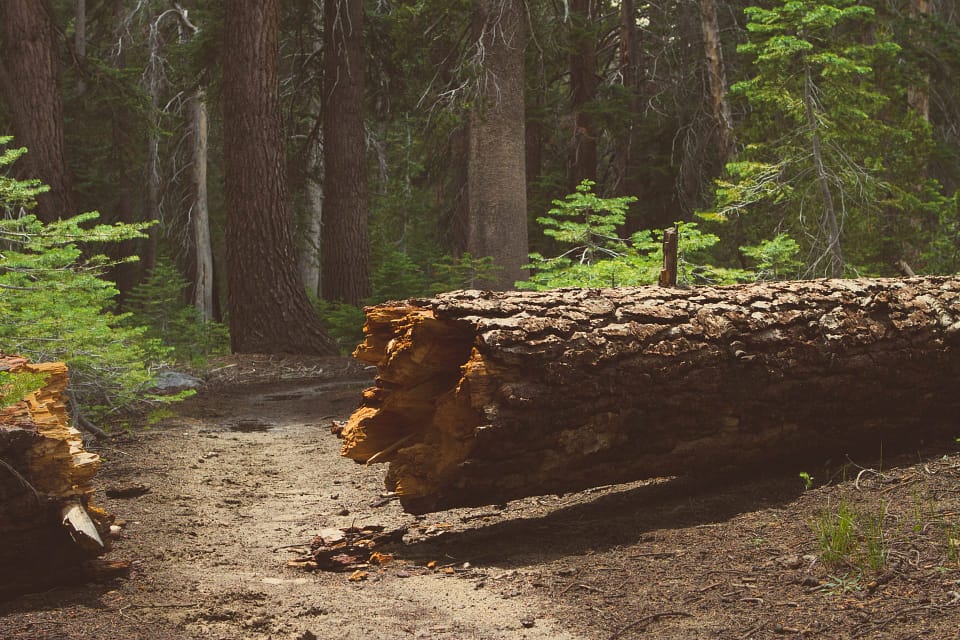
Mother Nature is a power beast, and owning a home makes you vulnerable to the elements. During major windstorms, trees can blow onto your house and completely wreck your roof. Yikes! Before this even happens, make sure you have homeowners’ insurance (obviously). What do you do next?
Several years ago, a tree fell onto one of our colleagues’ homes in Philadelphia. A strong windstorm caused massive damage. “We cannot control the forces of nature, but we can prepare for them when the time comes.” I still remember these words Sarah spoke after her experience with the tree.
Here are 6 steps to take when wondering what to do if a tree falls on your house and damages your property.
Step 1: Safety First, Always
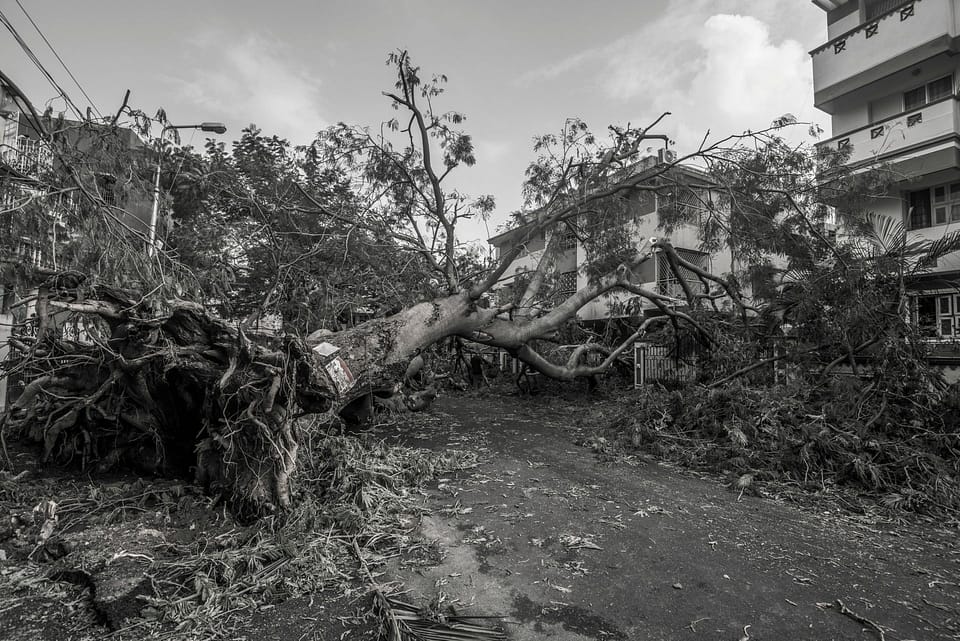
I strongly emphasize that “Before you do anything, make sure everyone in the house is safe.” Get out if you need to without haste. Keep a lookout for downed power lines or anything else that could pose a danger. Larger fallen trees can take out massive structures that stand in their way. If everyone’s accounted for and safe, take a deep breath. You’ve got this.
Step 2: Document Everything
Grab your phone or camera and start snapping pictures of the damage from every angle, only if it’s safe to do so. These photos are your golden tickets for insurance claims. They’re proof of the damage and can help ensure you get covered for repairs. Also, consider reporting the downed tree to the city of Philadelphia. Get all parties involved that should be!
Step 3: Call the Professionals
This isn’t the time for a DIY project. Reach out to emergency services if there are immediate dangers, like a gas leak or downed power lines. Next on your call list? Your insurance company. They’ll walk you through the claims process.
Also, consider hiring a professional tree removal service. They know what they’re doing and can prevent further damage. Depending on the cleanup, there are reputable junk removal companies that can handle the wreckage.
According to Avraham from EZ CleanUp Junk Removal Philadelphia, “Homeowners can utilize a clean-up crew to help gather debris caused by fallen trees. Don’t be worried, even if it looks bad at first. Trees falling on homes are sadly common in Philly. Cleanup and junk removal companies can get your property looking great in no time.”
Step 4: Prevent Further Damage

Don’t go all out and start repairs yourself. Temporary fixes are the name of the game until you get the go-ahead from your insurance company.
Doing all this maintenance because a tree fell on your house is a pain. Not everyone wants to do it. You can sell your house fast instead of struggling with damaged roof shingles. There are buyers out there who will purchase your home even with roof damage. Your best bet is to contact a professional house buyer in Philadelphia who can take the property off your hands as-is.
Step 5: Keep Records of Everything
From the moment the tree kisses your house, keep a detailed record of everything related to the incident. Document calls with your insurance, keep receipts for any emergency repairs or services you pay for, and note any expenses related to the incident. Your future self will thank you when it comes time to settle insurance claims.
Certain properties are more vulnerable to trees falling on them. For example, if there are multiple buildings on one property with several trees, there’s a higher chance this could happen.
Step 6: Patience is a Virtue
During her ordeal, Sarah said that patience and persistence are what kept her going. “Alex, I cannot tell you how hard it was for my family. In a span of seconds, we lost our home. But the actual battle started after the damage was assessed. We had to deal with insurance claims and contractors simultaneously. And I was overwhelmed for months.”
You have to tell yourself, “at least I am safe, my family is safe, and the home we can always recreate”.
If this is a rental property, try to act fast. Landlords must protect their tenants at all times. This could force the tenant to vacate temporarily. Consider a wellness package for your tenant to help them cope with the inconvenience.
Closing Thoughts
Since we have no control over the weather, all we can do is mitigate the risks. Ensure safety first for everyone and then move on to the repairs.