How to Renovate a Historic Home Without Losing Its Charm
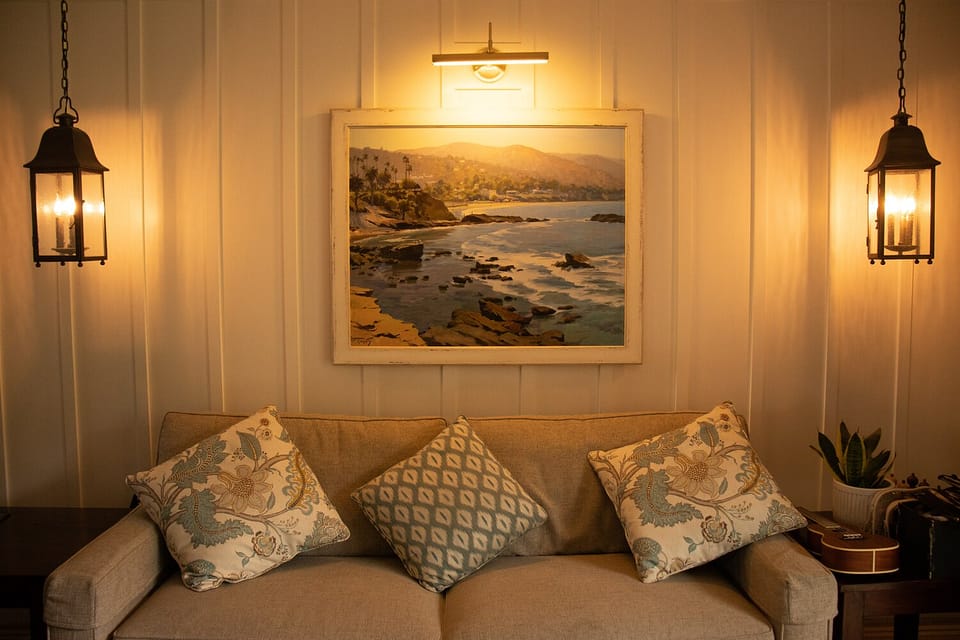
Yes, several people reside in historic homes by choice. The primary aspect of renovating a historic home is to retain the property’s natural character.
The beauty of a historic home is in the traditional and architectural details. Most homeowners with historic houses are careful in undertaking renovations so as not disturb the history. One of our clients with a historic home was reluctant to make necessary repairs as he feared losing the property’s original character. But it can be done with care.
Selling a house also means dealing with its unique traits and backstory.
1. Brush Up on the History
According to Jon, “We have a lot to learn from the history of a cultured home.” Pennsylvania has strict regulations in place concerning renovations on historic homes. Homeowners require special building permits for the process.
In some situations, you may not be able to undertake any renovation at all. It is best to check beforehand with the local preservation society before making significant changes. If you receive clearance, consider researching other homes built in the same time period.
We worked with a client interested in purchasing a historic house. We had to research and learn about considerations and return on investment with this property. And the results were much different than generic homes. Everything from the home inspection to the remodel is more detailed than the regular process.
“I was stressed throughout the transaction. Since this was new for our team, Alex and I had to be involved in each aspect. I was particularly tense during our calls with the preservation society, as the house was in dire need of structural repairs. But it worked out for our client.”
– Jon (Co-founder, Brotherly Love Real Estate)
2. Preserve the Structure
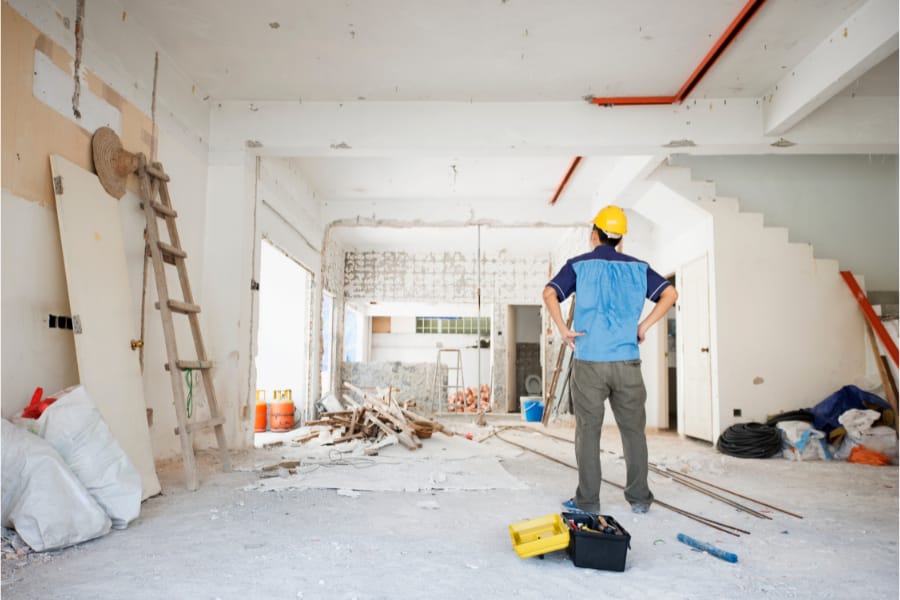
Preserving the structure of a historic home only makes sense if it is safe. On one hand, removing walls or other structural repairs could improve functionality, but may jeopardize the history.
You might not think of walls as adding character, but they influence the floor plan, which directly impacts how the home is used.
3. Keep Major Changes to What’s Necessary
To preserve the beauty of a historic home, keep the renovations to a minimum. Repairs that are necessary for safety and comfort (plumbing, wiring, etc.) should be addressed. These changes will not impact the charm of the historic house as they are not visible.
“Minor changes are permissible and advisable when it comes to historic homes, especially if you plan on residing there.”
4. Emulate the Original Where Possible

With historic homes, a shout-out to the original work is appreciated and helps retain the charm. For example, our client had his contract match the new woodwork with the existing trims. It turned out gorgeous.
Along with imitating the original structure in necessary changes, you can also use the historical pieces of the home to inspire any additions.
Summary
Renovating a historic home is no easy task. But it is possible. Real estate professionals adapt to the housing market and the individual properties. Each home tells a story, and historic homes have their own tradition.