5 Things to Consider Before Building a Ranch
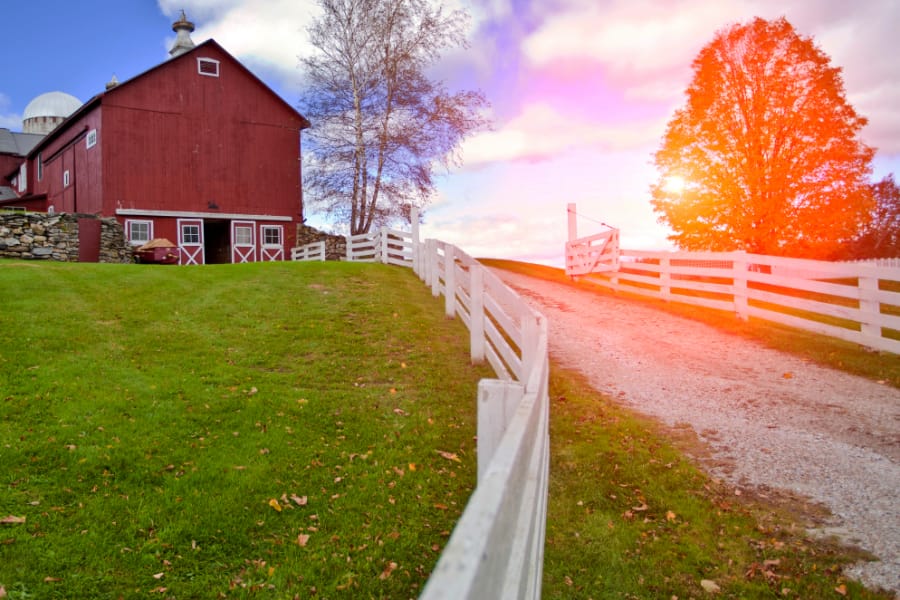
“Just because it’s the Wild West, that doesn’t mean you can go out and build a ranch without some planning.” This is how Mr. Dorris greeted us when we met him for the first time at his ranch.
But, sadly, that’s exactly what many people do in today’s world. Planning is vital when it comes to building a ranch. You can’t just go about a ranch without knowing what you’re getting yourself into.
When you’re in the homebuying business, you’ve seen it all. Today’s topic is based on an experience we had with a ranch owner. Even though it’s not our primary business, it was a fresh take on a different kind of real estate.
If you’re thinking about building a ranch on land, here are the top 5 things to consider before getting started.
1. Decide What the Ranch Will Be Used For
Before building a ranch, you must decide what the ranch will be used for. Ranches are primarily businesses, so you need to treat them as such from the start. You will have to determine how much land and cattle you need. Do your research beforehand and determine what cattle thrive in your area based on factors like climate and soil type.
Additionally, make sure that there are enough buyers who want this type of product before making any investments into buying land or cattle. That way, you can rest assured that the type of land you want to build your ranch on is actually in demand.
The best way to research your potential buying pool is to speak to a local estate agent or real estate investment company.
2. Pick Your Location Wisely
The location of your ranch matters. You’ll want to pick a place with a good climate and strong economic opportunities. You’ll also want to ensure the land you buy is big enough to house a ranch.
Land can be closer to a nearby city or places as Austin or Houston, TX. Or it could be in the middle of the countryside. It should not be in or close to desert areas. Ideally, you’ll want to find land for sale with a decent population and neighbors around you to keep you (or your potential buyers) company.
You can also buy land in an area where there is not too much wildlife. However, this can be difficult to achieve when you’re looking for a large piece of land to build a ranch on.
Several reports suggest that demand in the land market is currently at a stable level. Demand for land is increasing now that the COVID-19 pandemic is over, which means the market is gaining stability as it did before the pandemic. Thus, if you’re planning to buy land for your ranch, you’d better hurry. Otherwise, the prices are likely to go up.
3. Consider Wildlife Management
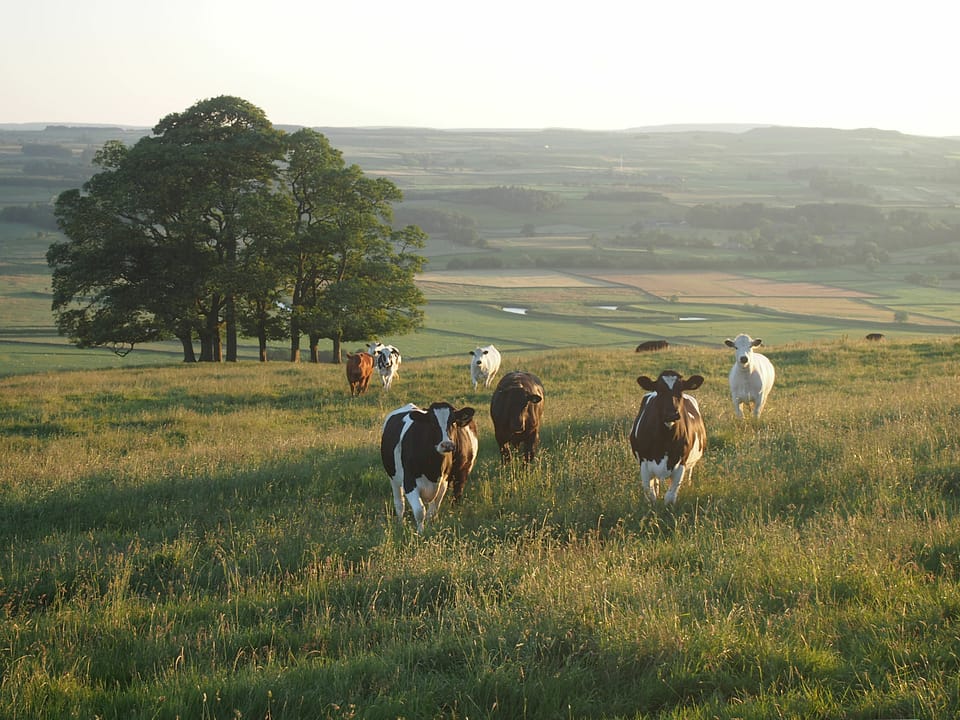
Wildlife management is about managing risk and being prepared for issues should they arise. While you can do everything in your power to minimize the chances of encountering a problem with wildlife, there are no guarantees.
Keep an eye out for signs of predators before letting animals out. A modern approach to doing so is with the help of small drones. Never try to intimidate any wild animal. Keep your distance and make sure your cattle are also away from these wild animals.
4. Research Security Options
While you may think that security is a relatively simple matter, it is important to take the time to make sure your home is protected properly. The type of security you need depends on the size and shape of your property, as well as how accessible it is from public roads and nearby neighbors.
The best options to invest in are fences and security cameras. With the help of image processing, you can be alerted by your camera system only when specific animals are trying to enter your property.
According to Grand View Research, the global smart home security camera market is currently valued at $7.37 billion. Within the next few years, this market’s value will cross $30 billion. Therefore, you can rest assured that over the years, you’ll find more advanced security camera systems to keep your ranch safe.
5. Consider Taxes & Other Expenses
There are many factors to consider when it comes to taxes and expenses for a ranch, including property taxes, depreciation, and insurance. It’s important to research the tax rates that apply in your area before purchasing land so you can budget accordingly.
If you’re building a home on your own property, it will be exempt from local sales tax but not state or federal income tax. If you’re buying land specifically for investment purposes and don’t plan on living there full-time, as with most ranches, you pay only 2% of market value annually as opposed to 6%.
Summary
Building a ranch is never going to be easy. However, keeping these tips in mind and making sure you follow them during the ranch-building process will help make things easier.
The visit to Mr. Dorris’s ranch was a wonderful and learning experience for us. What started as a team day turned out to be a business day.