4 Factors That Qualify A Legal Bedroom in Pennsylvania
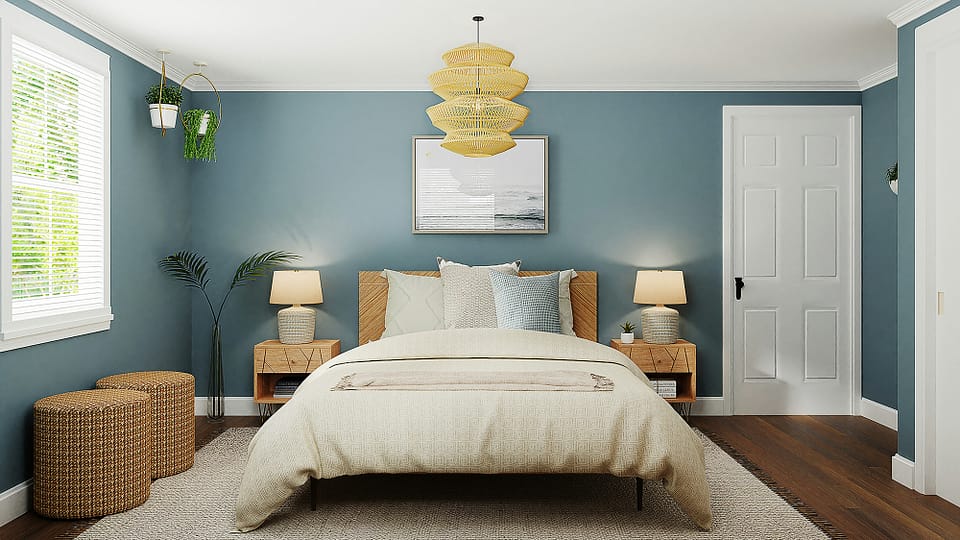
When we discuss affordable ways of selling homes, individual spaces are considered. Each homebuyer has specific requirements they desire. A friend of mine wanted to buy a house with a pool, but another client was strictly against having a pool. Jon had a client who wanted a specific size for each bedroom in the property, and that made us wonder if homebuyers had any knowledge of what qualifies as a legal bedroom in Pennsylvania.
“What does qualify as a legal bedroom mean exactly?”
Well, the state of Pennsylvania has certain requirements for a bedroom to be “legally qualified as a bedroom”. I’ll highlight the 4 preliminary factors that will make it easier for you to understand this topic.
#1 Minimum Size and Ceiling Height
Years ago, when we started our homebuying business, we wanted to set up a foundation for flipping homes. The first house flip we undertook (with an obvious lack of experience) taught us several rules of the business. Here’s the takeaway from the perspective of a legal bedroom in Pennsylvania that we learnt from this experience:
- The minimum floor area for a bedroom in Pennsylvania should be at least 80 SF so that the room can accommodate the essential furniture (closet, bed, etc.) and easy circulation.
- The minimum dimension in any direction should be 7 ft.
- A full ceiling height of 7 ft is required.
The mistake we made in this flip was not to consider the proper placement of the furniture. As a result, one of the smaller “bedrooms” became a study. We were still able to sell the house, but what we valued most was the lesson. Since then, we have ensured to work with interior designers during the house flip to accommodate the furniture.
#2 Means of Entry/Exit & Window Requirements
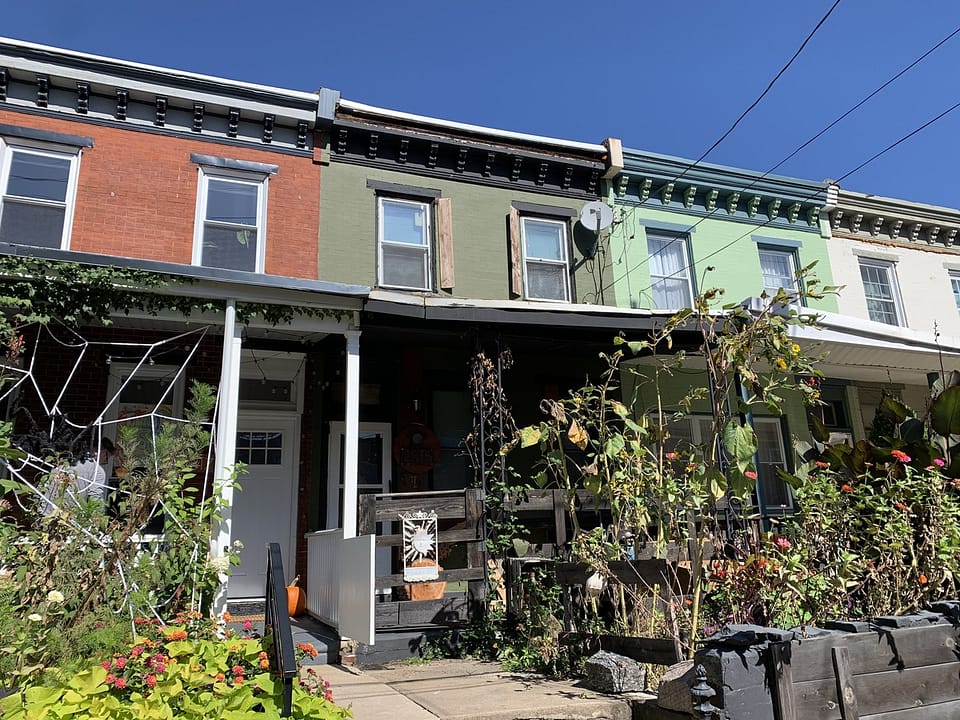
The average homebuyer may think of the bedroom door as just a means of privacy, but it’s so much more than that. The door is essentially associated with safety, and to qualify as a legal bedroom in Pennsylvania, the space should provide two means of egress.
- The primary means is a door leading into the hallway. This is pretty basic, right?
- The secondary means is a suitably sized window. Some may say a second door, but that’s generally not suited for most homes.
- The minimum opening for the window should be 5.7 SF and 5 SF for a basement window.
- The opening height should be equal to or greater than 24 inches, and the width should be equal to or greater than 20 inches.
- The windowsill should be no more than 44 inches from the finished floor level.
An architect friend told us that “the windows must open at least halfway without the use of tools or keys”. Quite frankly, I hadn’t even thought about this, and it was amazing to hear a professional’s perspective. These are detailed in the Uniform Construction Code (UCC) and the International Residential Code (IRC) adopted in Pennsylvania.
#3 Proper Heating, Electricity, and Ventilation

A simple fact is that a legal bedroom must be habitable. It entails sufficient heating, ventilation, and electricity.
- A built-in heating system that is capable of maintaining a safe temperature.
- Ventilation should be provided through an open door or window. Contrary to popular belief, air conditioning isn’t essential.
- The rooms must be wired securely for lighting and outlets. Bedrooms without electricity are often unusable (generally at night).
These requirements ensure that a bedroom in a Pennsylvania home is safe, comfortable, and operational all the time. When we flip homes, these are essentials that cannot be missed. Homebuyers generally desire ready to move into.
#4 Location and Accessibility for Basements
The State of Pennsylvania pays special attention to the location of the bedroom. There are stringent municipal codes in place.
- Bedrooms in basements are not considered legal unless they have a door and egress window meeting the size requirements, and an egress ladder or step system.
- A walk-out basement with a door opening directly to the grade-level is often recognized as a legal bedroom in real estate.
As a rule of thumb, most real estate professionals, including us, don’t market basement rooms as bedrooms unless they fit into the legal requirements. Compliance is essential, and Brotherly Love Real Estate takes it seriously.
Impact on Real Estate

Not following the rules while designating a bedroom in Pennsylvania could be problematic. It can have an impact such as:
- Each additional legal bedroom could increase a home’s value.
- Non-compliance can lead to denied permits or failed insurance claims.
- Improper installations could violate building codes and safety regulations.
Bringing it All Together
Jon states that “ensuring a room qualifies as a legal bedroom in Pennsylvania isn’t simply about the square footage – but about complying with safety and municipal standards”. And I couldn’t agree more.
I would like to end by emphasizing that “Thoughtful planning can come in handy if you’re buying, selling, or remodeling a home”.