How to Create a Community in Multifamily Developments
One day, I asked my father, “How do societies function?” And his answer was simply “community ties”.
When I started working in real estate, I realized the essence of community ties. Selling a house is no longer a transaction. You’re selling more than a house; you’re selling a community. And when it comes to multifamily developments, social relations are necessary.
And when community interaction is involved:
- It can boost tenant satisfaction and retention.
- It can uplift the long-term property value.
Alex, how can we foster a sense of community in multifamily developments?
Creating a community doesn’t happen by accident. Jon claims a community is “a result of an intentional design.” We work with multifamily developers in Pennsylvania, and they have strategies that help achieve harmony in residential complexes.
Community-focused Design

The bedrock of community is a community-focused design. Josh, who specializes in multifamily developments in Pennsylvania, recommends “designing physical spaces that shape how people will interact.”
“You want to build spaces that naturally encourage connection.” Multifamily developers prioritize shared spaces. These include rooftop gardens, coworking spaces, fitness centers, and even communal kitchens. Developers have witnessed a 39% increase in their deals through community-focused designs.
Another strategy is to create an open layout for neighbors to see each other. As a result, relationships grow organically. However, this should be in balance with private spaces.
Promote Diversity and Inclusivity
I believe that “a true sense of community is built on inclusivity.” Multifamily developers can design inclusive spaces that are accessible to residents of all ages and abilities.
Jon’s housing development in Pennsylvania celebrates a festival from all religions to promote strong bonds and diversity. I attended a communal Ramadan event where everyone came to break their fast together. It was beautiful.
With inclusivity, design a structure and rules. It is recommended to communicate expectations regarding respect to reinforce mutual care.
Encourage Interaction
Events allow residents a reason to gather. Social gatherings such as movie nights, games, and resident mixers offer low-pressure opportunities to connect. Josh advises that “consistency is crucial.”
“Recurring events help build the routine and anticipation for residents. We engage in staging open houses and invite a selected group of current residents to interact with potential buyers.”
Resident-led activities are also promoted to foster more community initiatives.
Onsite Management
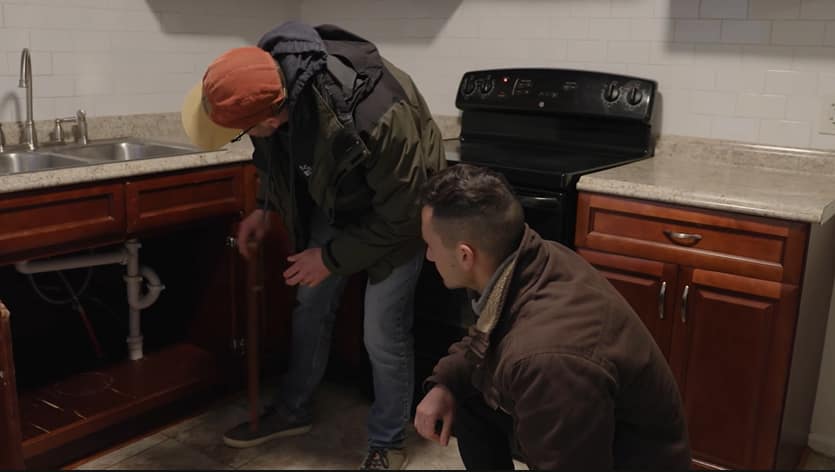
Strong property management goes a long way in retaining tenants. It also helps shape the community culture in a multifamily development. Being approachable and visible to the tenants builds trust.
Proactive communication, clearly stating upcoming events or community milestones, builds a relationship with the residents. According to Jon, “addressing the residents’ concerns proactively makes them feel valued and, as such, more inclined to engage with the community.”
Summary
Multifamily developments have a responsibility towards their residents. It goes beyond rent, ownership, or maintenance. Developers should work in a more comprehensive manner that promotes community ties and benefits residents.
My thoughts on multifamily units as an investment are “endorsement for the cause.” Multifamily developments in Pennsylvania have achieved growth in terms of community engagement, amenities, and overall security.
It’s the right time to leap towards community and bonds that a multifamily development has to offer.